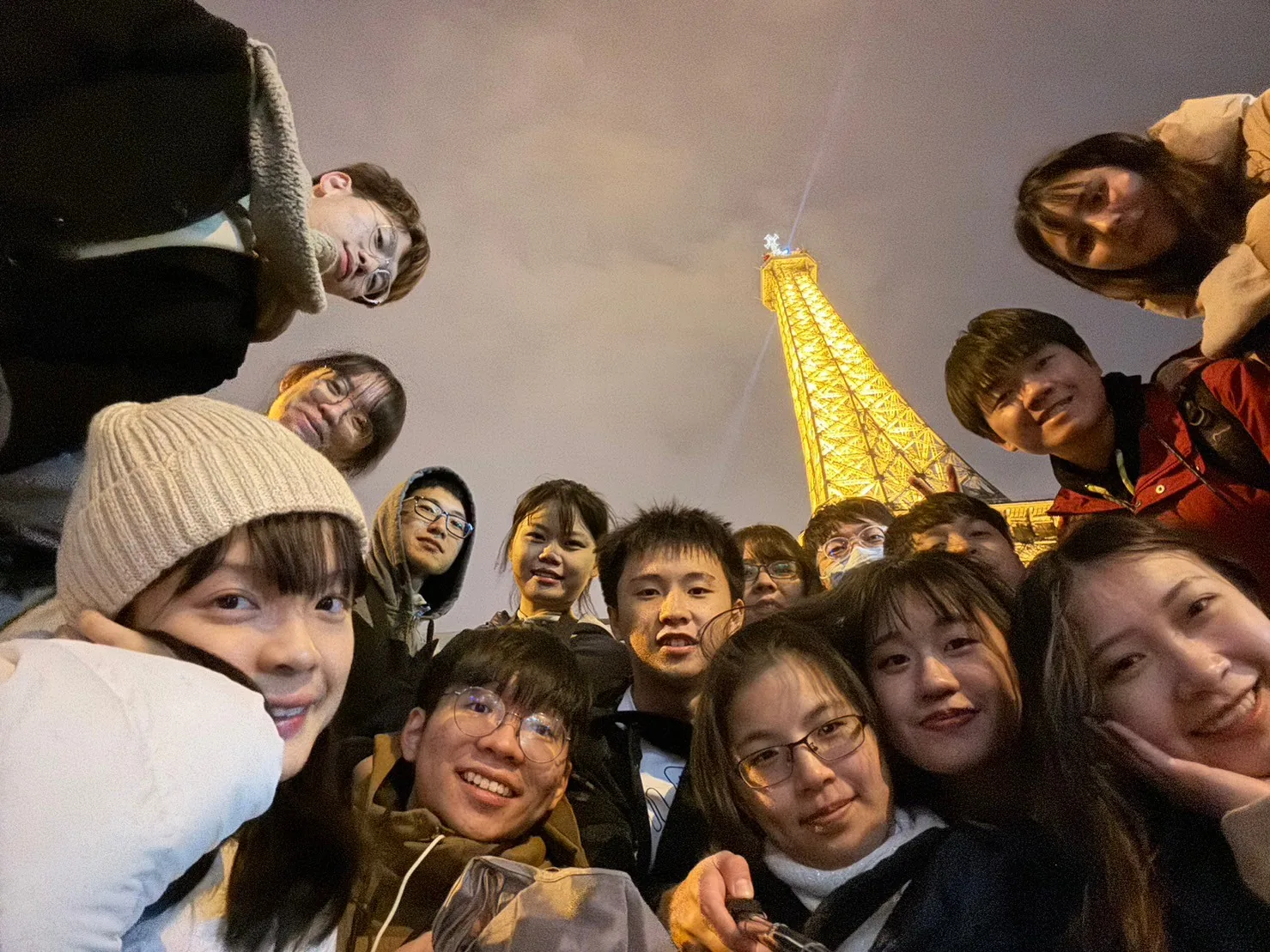
In 2023, I joined fifteen teammates as NTHU-Taiwan. From topic selection, literature, and modelling to hardware, software, and the wiki, we built a machine-learning system for early colorectal-cancer screening, connected it to an Arduino-based diagnostic device, and presented it at the iGEM Grand Jamboree in Paris. The project earned a Gold Medal.
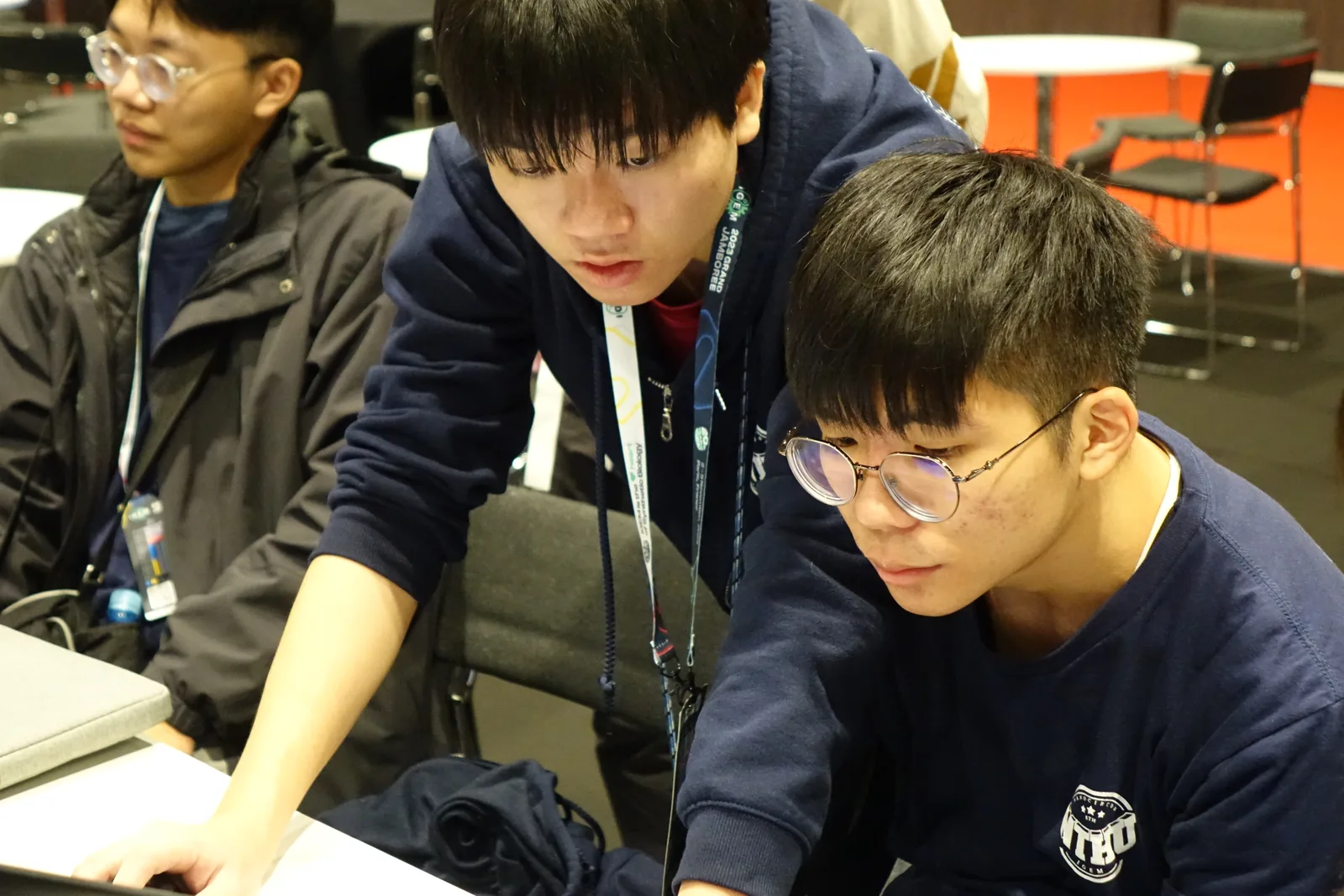
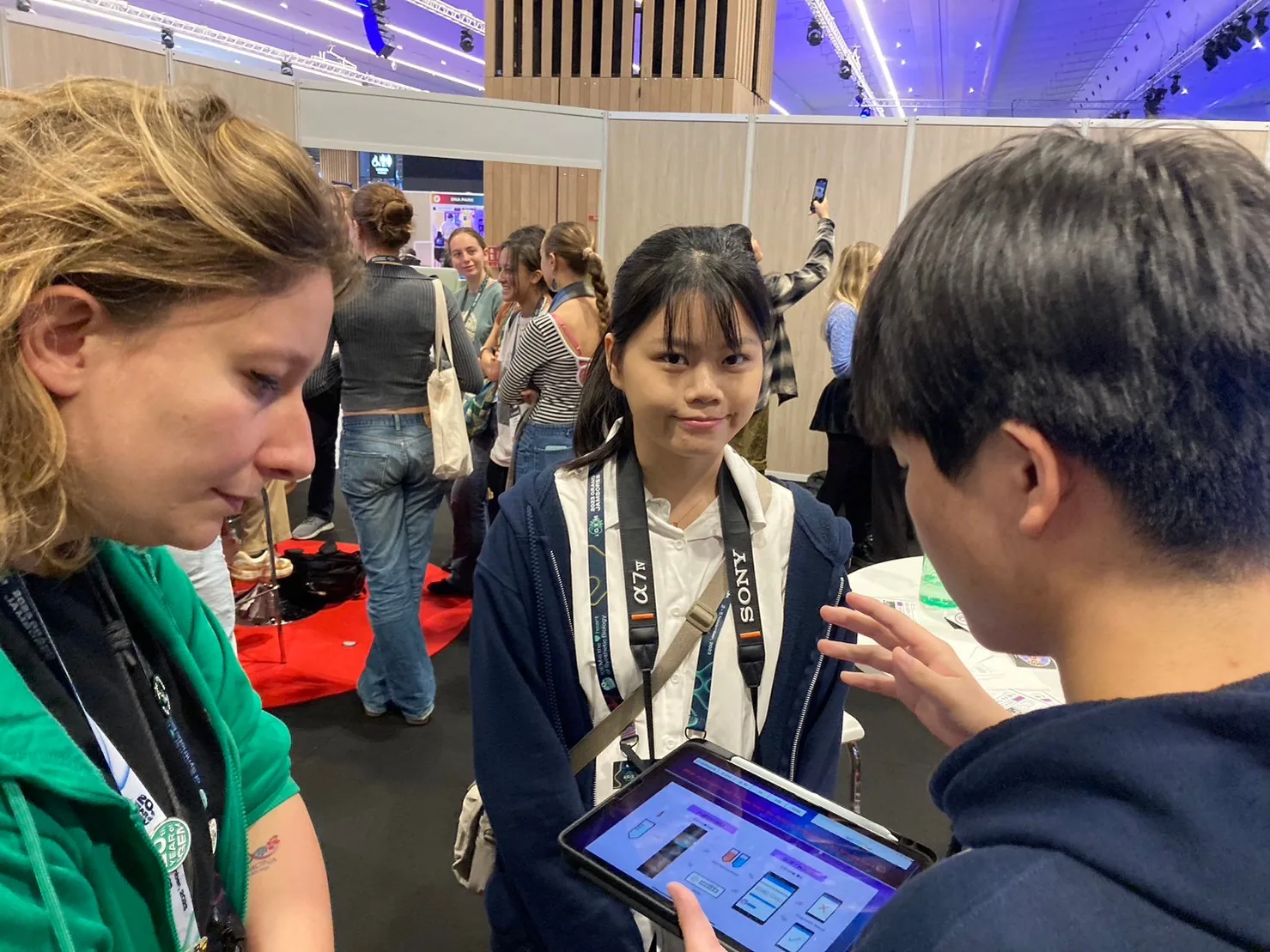
I served as Dry Lab lead and was the youngest member of the subteam. My role covered modelling and technical decisions, but also the interfaces between teams: aligning evidence, schedules, and dependencies so the algorithm, device, and presentation told one coherent story.
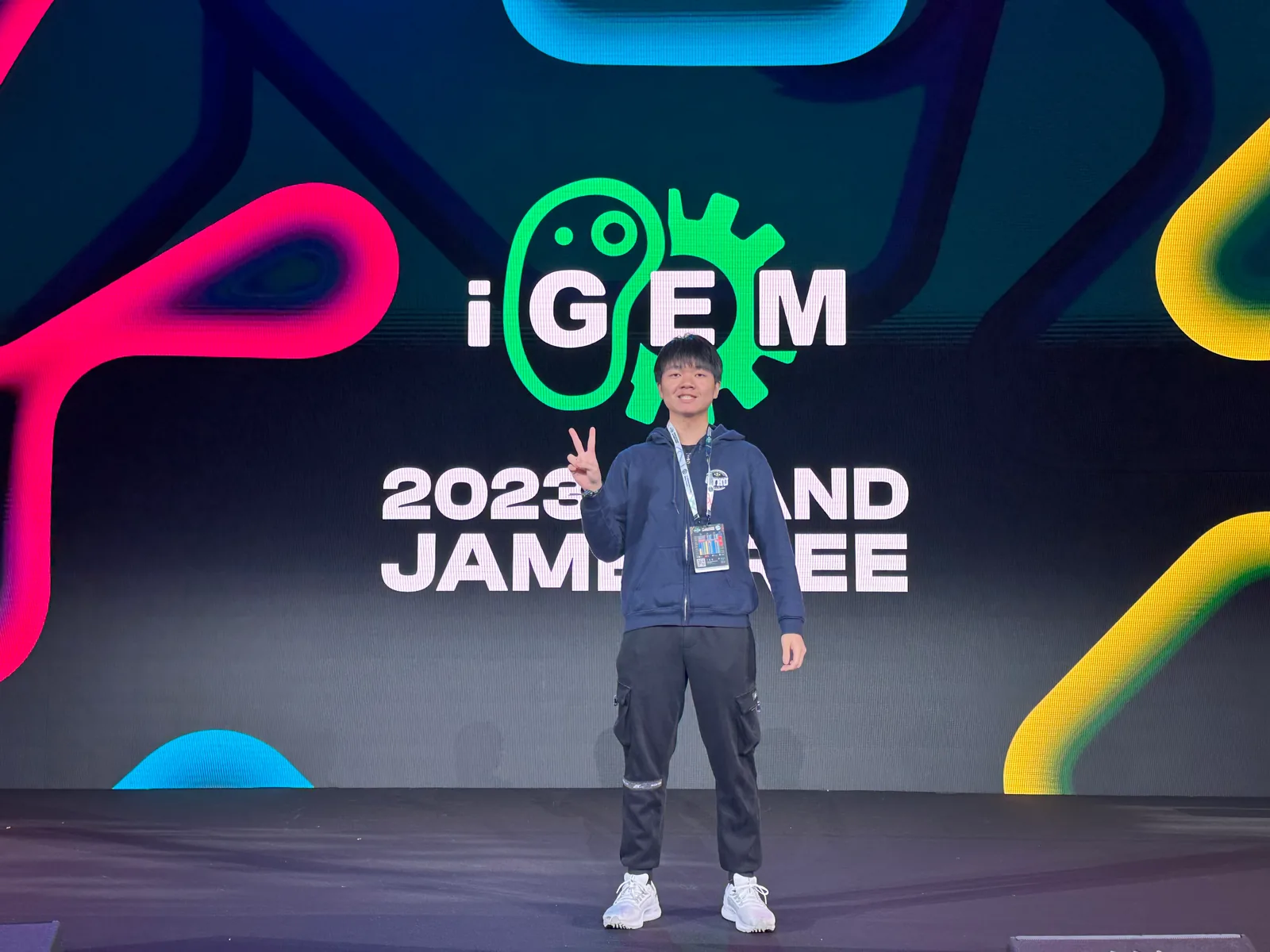
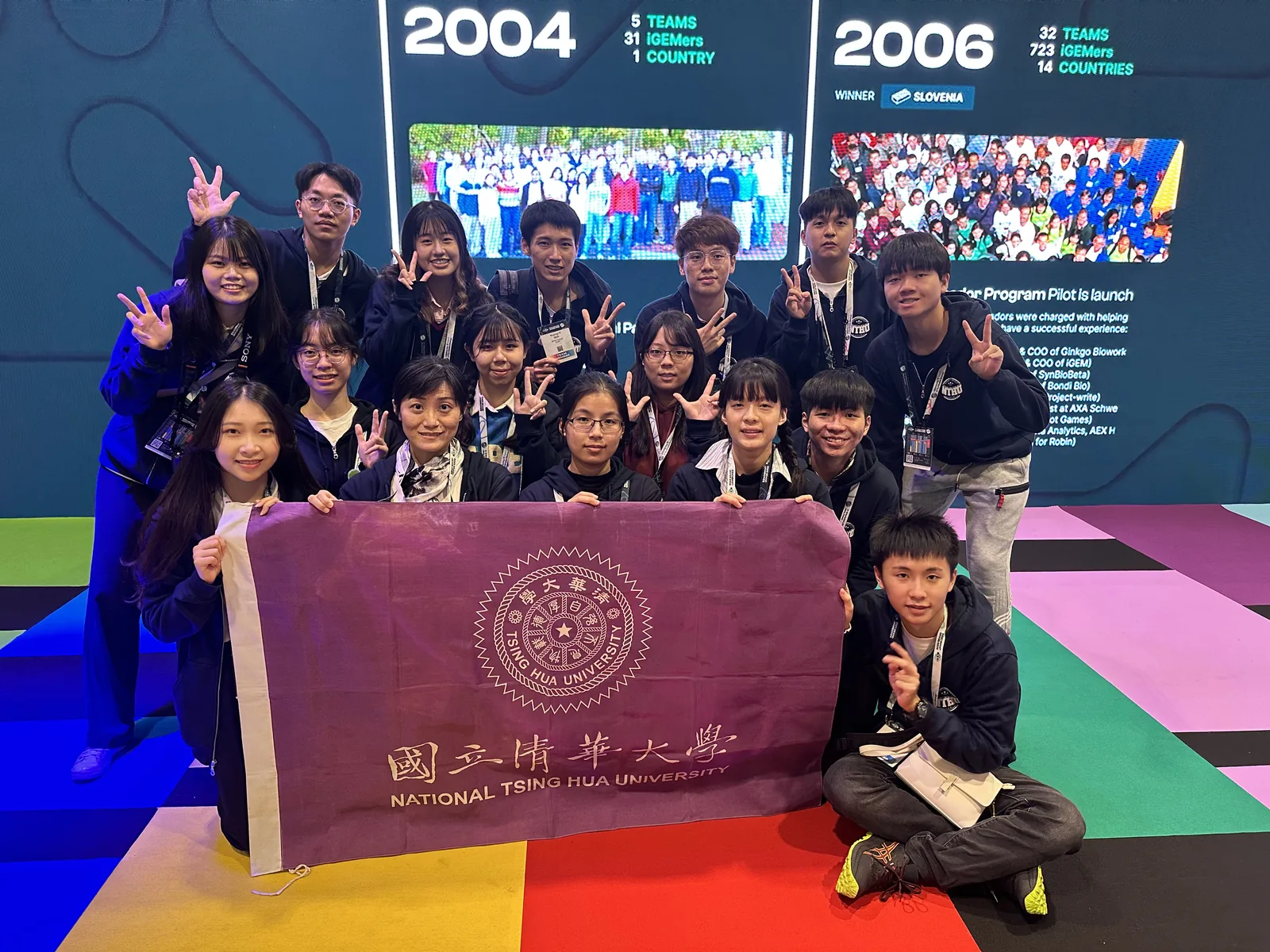
That year brought my first experience leading an interdisciplinary team, working in synthetic biology, and building 3D models. Repeated meetings and revisions taught me when to defend an approach and when to change it. The hardest problem was not any single technology; it was keeping sixteen people from different backgrounds moving toward one deliverable.
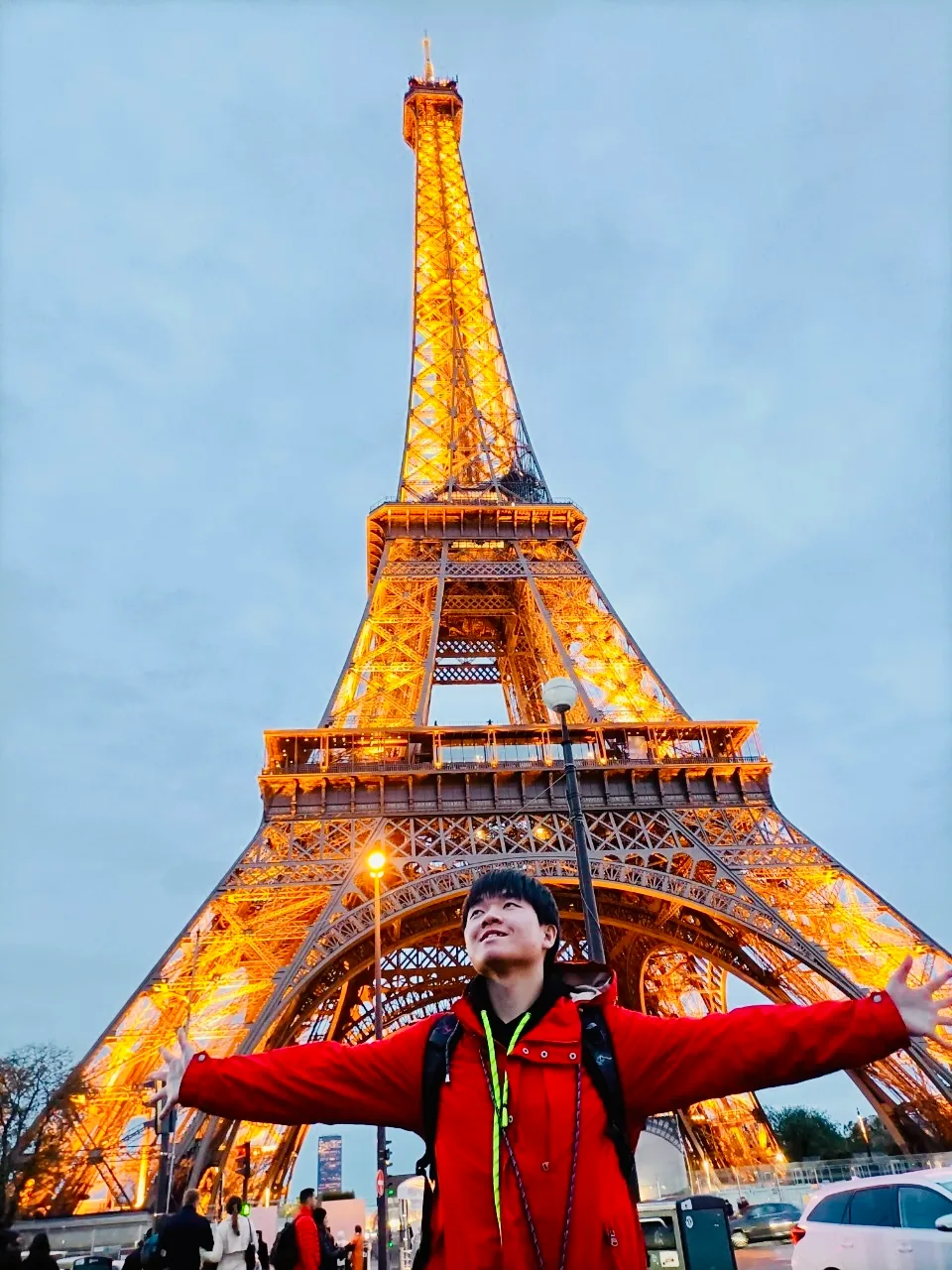
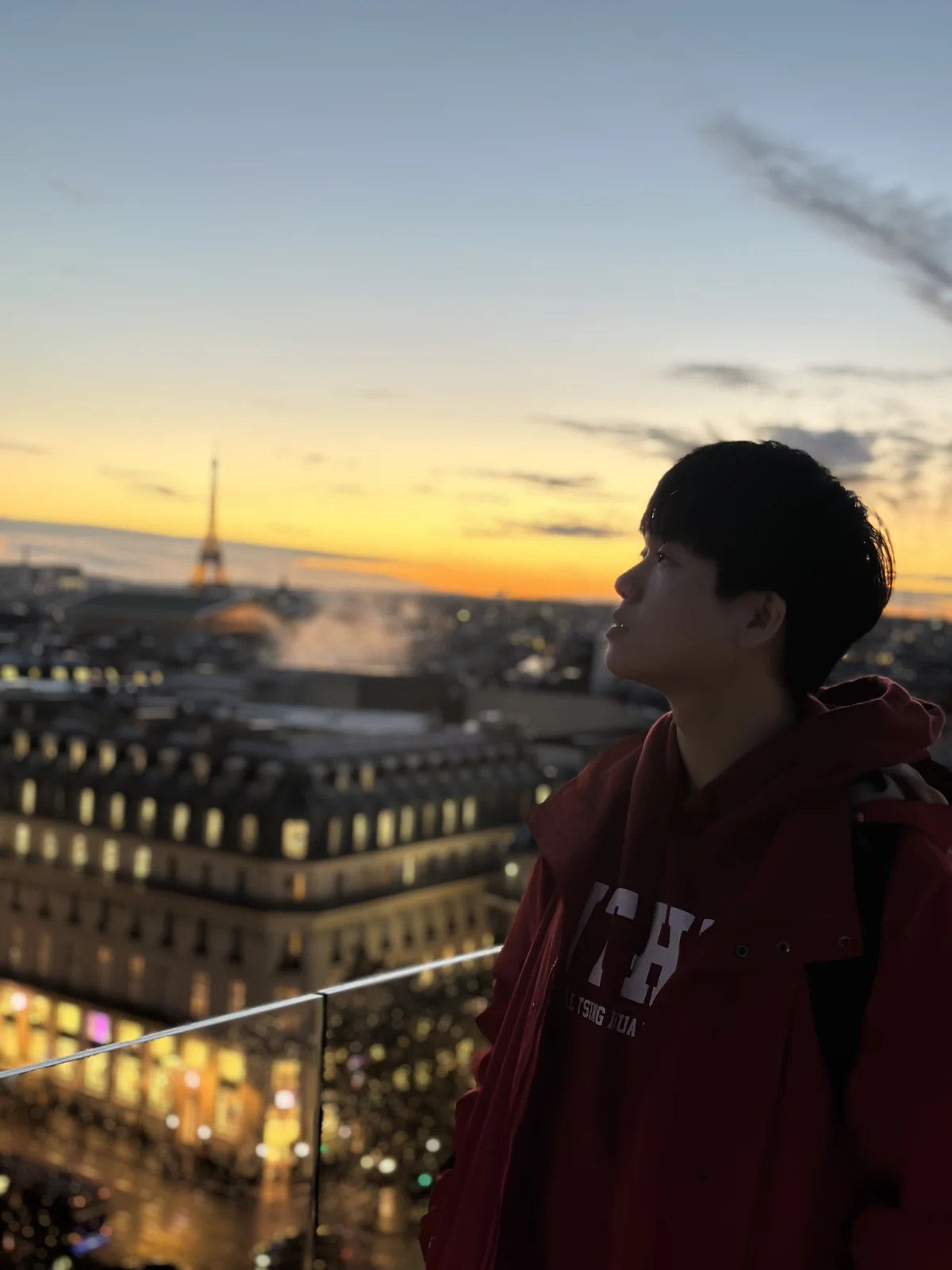
The Gold Medal is the visible outcome. The longer-lasting lesson was learning, at nineteen, that research can demand modelling, engineering, communication, and trust at the same time—and that I want to work where those demands meet.
2023 年,我與另外十五位隊友組成 NTHU-Taiwan,從題目選定、文獻與模型,到硬體、軟體與 wiki,完成一套以機器學習協助大腸癌早期篩檢的系統。我們把診斷模型接上 Arduino 裝置,前往巴黎參加 iGEM Grand Jamboree,最終獲得金牌。
我擔任 Dry Lab 組長,也是組內最年輕的成員。我的工作不只包括模型與技術決策,也要在不同子團隊之間對齊介面、時程與證據,讓演算法、裝置與簡報最後能說成同一個完整故事。
一年裡,我第一次帶領跨領域團隊、接觸合成生物學、做 3D 建模,也在一輪輪會議與修正中學會何時堅持、何時改變方向。真正困難的不是任何一個單點技術,而是讓十六個不同背景的人持續朝同一個可交付的目標前進。
巴黎的金牌是清楚的結果,但更長久的收穫,是我在十九歲時第一次知道:研究可以同時需要模型、工程、溝通與信任,而我願意站在它們交會的位置。