
CHI-WEI LEE李騏維 RESEARCH NOTEBOOK研究手帖
SECTION 02 · FOUR THREADS第 02 節 · 四條線

RESEARCH研究

One programme across neuroscience and computer vision: memory as denoising, posterior sampling, 3D reconstruction from fMRI, and controllable generation.一個橫跨腦神經與電腦視覺的研究計畫:記憶即去噪、後驗取樣、從 fMRI 進行 3D 重建,以及可控生成。

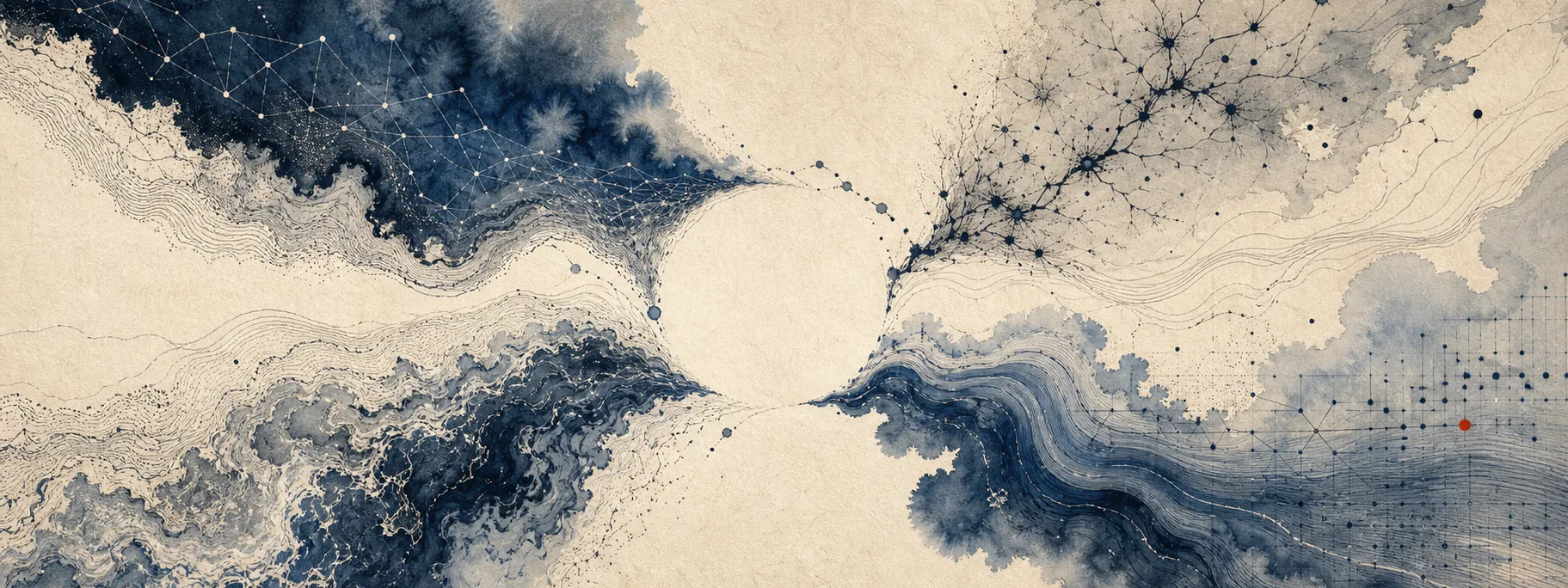
Four indigo currents meeting around a clear centre
《大學》Investigate things; extend knowledge.窮究事理,推致其知。
L1b

Where the work happens研究發生的地方

NTHU · Academia Sinica · UCLA清華 · 中研院 · UCLA
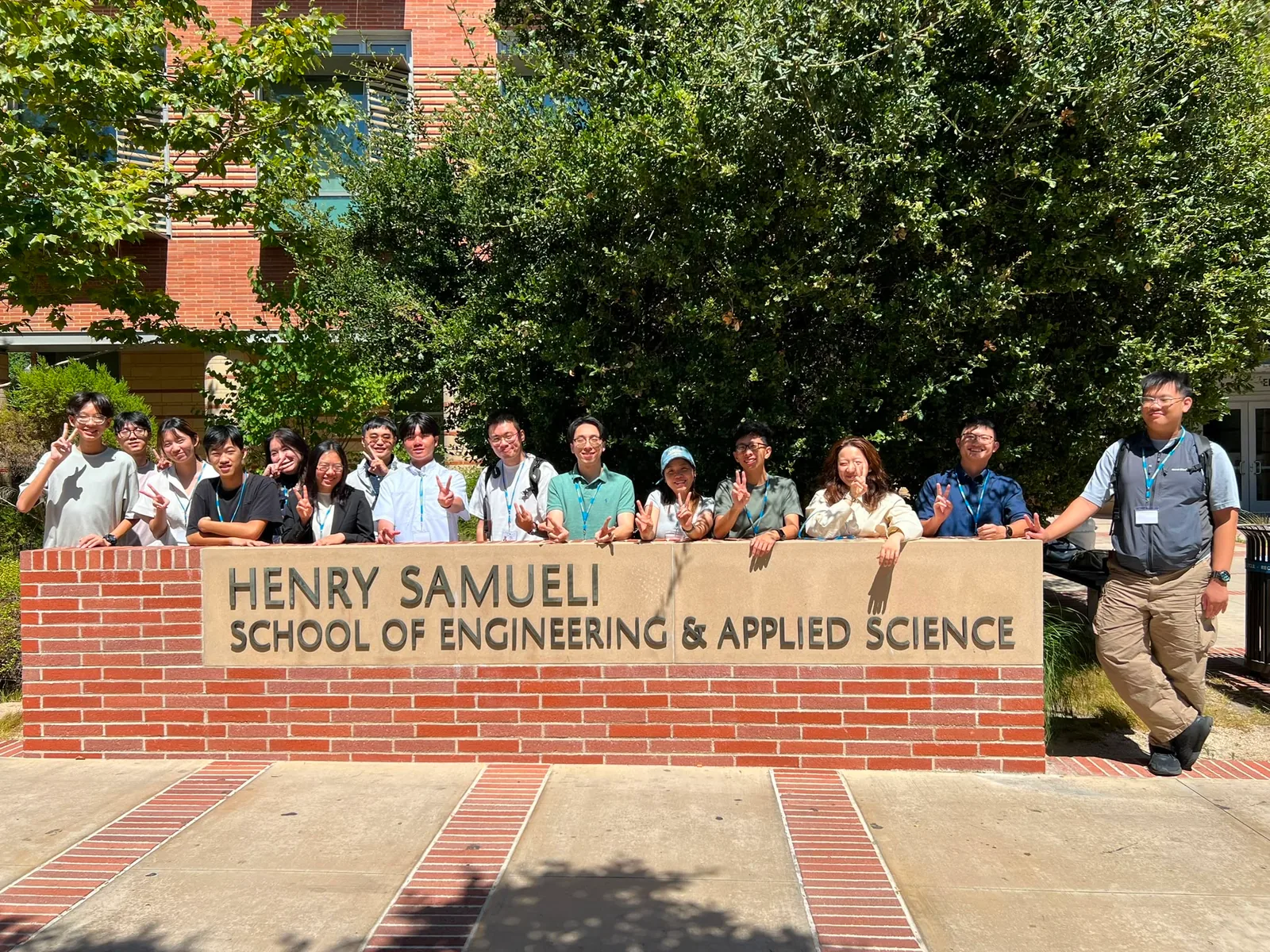
Taiwan Global Pathfinders delegation at UCLA Samueli
01Event photograph現場影像Taiwan Global Pathfinders delegation at UCLA SamueliTaiwan Global Pathfinders 代表團於 UCLA SamueliUCLA SAMUELI · 2026.07.07 · PATHFINDERS
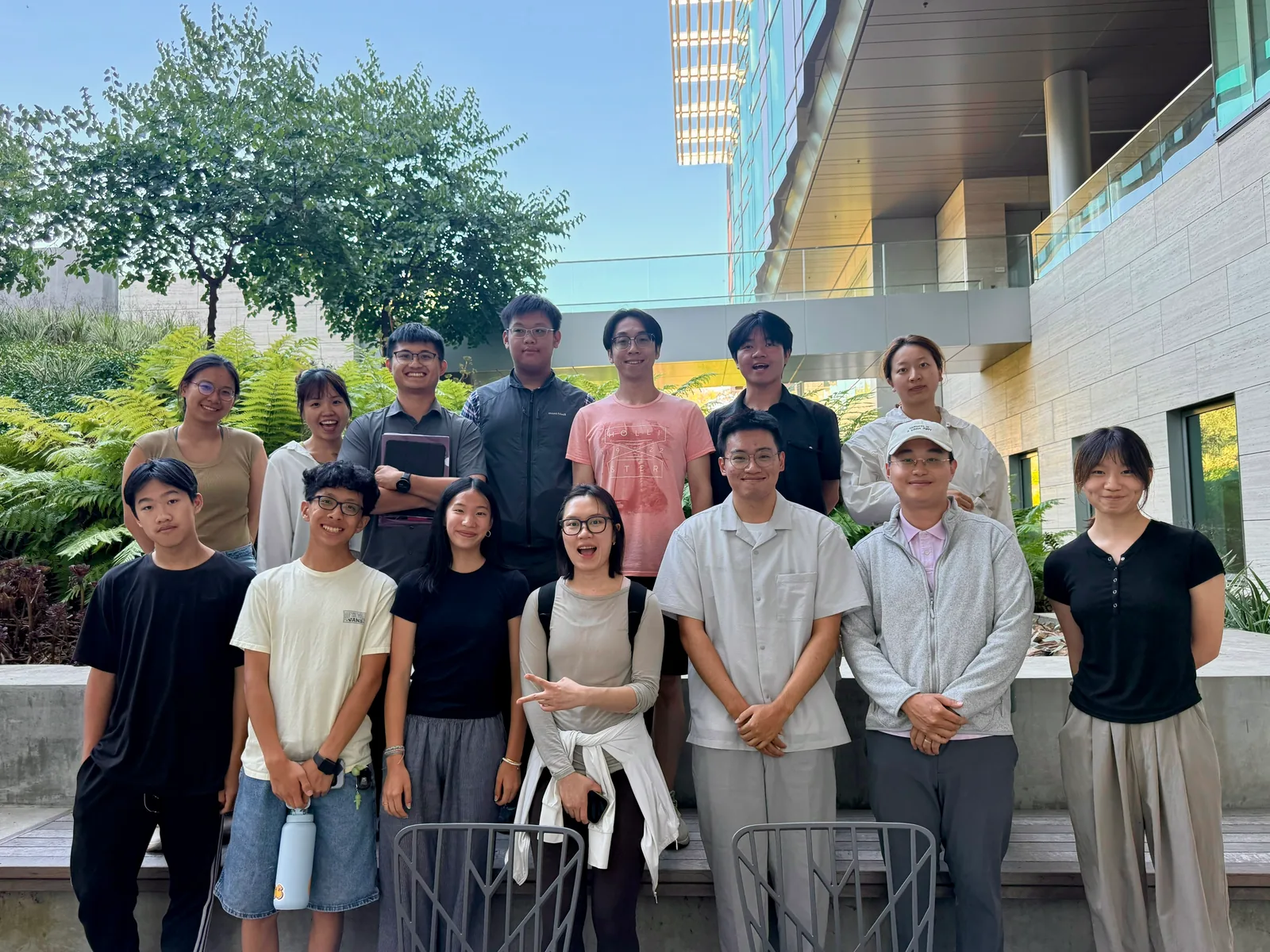
A research exchange gathering at UCLA, July 2026
02Event photograph現場影像A research exchange gathering at UCLA, July 2026UCLA 研究交流合影,2026 年 7 月UCLA · 2026.07.27 · RESEARCH EXCHANGE
The 2025 summer research cohort at Academia Sinica IIS
03Event photograph現場影像The 2025 summer research cohort at Academia Sinica IIS中研院資訊所 2025 暑期研究實習合影ACADEMIA SINICA IIS · 2025.08.28
L2/3

Four threads四條線

01Theory理論

Predictive coding needs a memory預測編碼需要記憶

Predictive coding supplies a generative hierarchy; modern Hopfield networks supply content-addressable retrieval. A Tweedie–Hopfield correspondence shows that both rely on the same Bayesian denoiser. HOPE combines hierarchical inference, temporal prediction, and layer-wise memory in one energy trained with local Hebbian updates.預測編碼提供生成式階層,現代 Hopfield 網路提供內容定址檢索。Tweedie–Hopfield 對應關係顯示,兩者依賴同一個貝氏去噪器。HOPE 以單一能量函數整合階層推論、時間預測與逐層記憶,並以局部 Hebbian 更新學習。

02Theory理論

Inference should sample, not just find a mode推論應該取樣,而不只尋找峰值

Deterministic temporal predictive coding returns only a posterior mode. Coupling overdamped Langevin dynamics to a preconditioner through the fluctuation–dissipation relation instead makes the full filtering posterior the flow's stationary density, preserving multiple plausible explanations.確定性的時間預測編碼只回傳後驗的一個峰值。將 overdamped Langevin 動力學與 preconditioner 透過漲落–耗散關係配對,能讓完整的濾波後驗成為流的穩態分佈,保留多個合理解釋。

03Neural data神經資料

Reading space out of the brain從大腦裡讀出空間

At the HMI Lab, I build generative decoders that reconstruct 3D spatial representations from fMRI. The goal is not just to predict a coordinate, but to quantify what the neural signal supports and how uncertain that reconstruction remains.在 HMI Lab,我建立生成式解碼器,從 fMRI 訊號重建三維空間表徵。目標不只是預測一個座標,還要量化神經訊號支持哪些重建,以及重建仍帶有多少不確定性。

04Generative生成模型

Control without losing the picture在不失去畫面的前提下控制

MatrixQR separates scan reliability from creative editing in generated QR codes. The method preserves machine readability while giving the image model room to change appearance, turning a visual constraint into an explicit optimisation target.MatrixQR 將生成式 QR 碼的掃描可靠性與創意編輯解耦。在保留機器可讀性的同時,也讓影像模型有調整外觀的空間,將視覺限制轉成明確的最佳化目標。

STIMULUS CONSOLE刺激控制台ESC
01 / 01